|
|
|
|
|
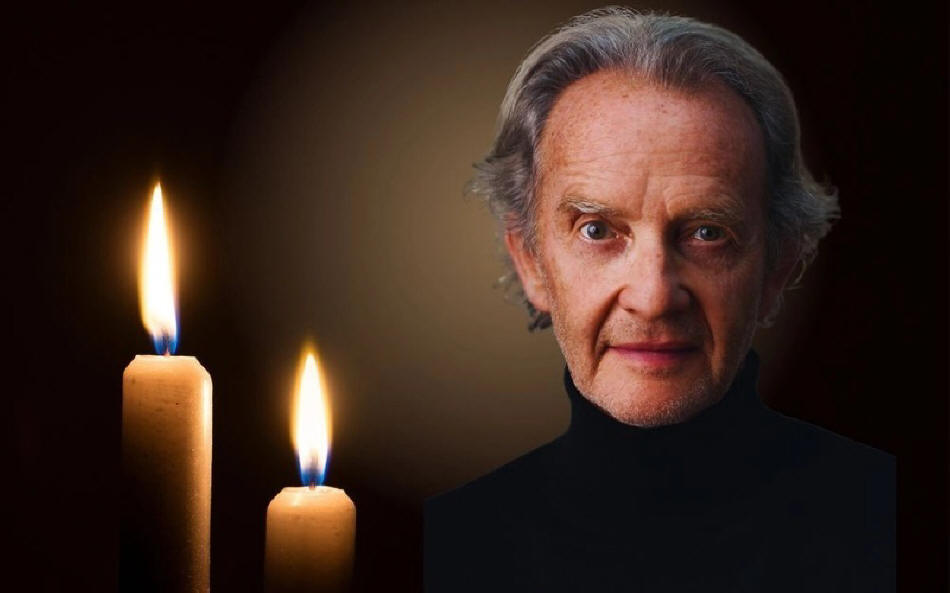
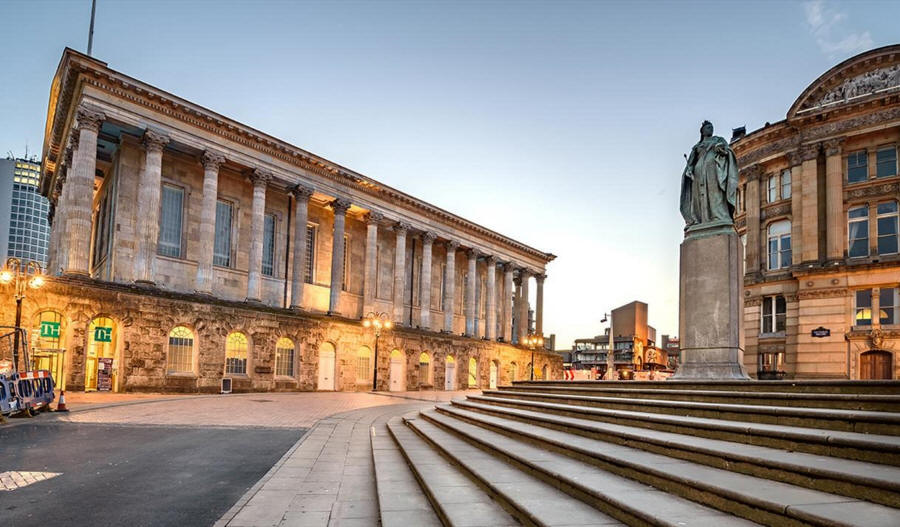
A Christmas Carol read by Anton Lesser Birmingham Town Hall ***** It was a cold, wet, stormy December night when the well-known actor Anton Lesser walked upon the stage of the impressive Birmingham Town Hall to read A Christmas Carol. As fate had happily conspired, it had been a similar miserable night some 192 years ago when the far lesser-known amateur actor, but now a celebrity author, Charles Dickens, had stepped on that same stage to read that same celebrated best-selling novella, which he had additionally titled Being a Ghost Story of Christmas,which had been published ten years earlier. Contemporary newspapers noted that almost 2,000 people had braved the inclement weather to attend. That appearance on 27 December 1853 was Dickens’ first public reading of his work and was the birthplace of the now familiar celebrity author giving readings of their work. Dickens loved theatre and was an early member of The Garrick Club, the meeting and drinking haunt of actors. He appeared in amateur productions around London and even had an audition at the Covent Garden theatre but could not attend as he had a bad cold. Before the opportunity arose again he had become a successful writer, which paid better and had less dubious social standing So Dickens, the would be actor, didn't just
read, he performed with different voices and characterisations
delighting the audience. He wasn’t just a social reformer in print but
also in action. The reading was for charity, in aid of fundraising for
the proposed Birmingham and Midland Institute, which opened the
following year. He cleared out some of the seating to make room for more
people to stand and slashed ticket prices as he wanted working class
families to attend, not just the rich. Prices were reported as one
shilling (5p) standing and 2s 6d (12.5p) seated.
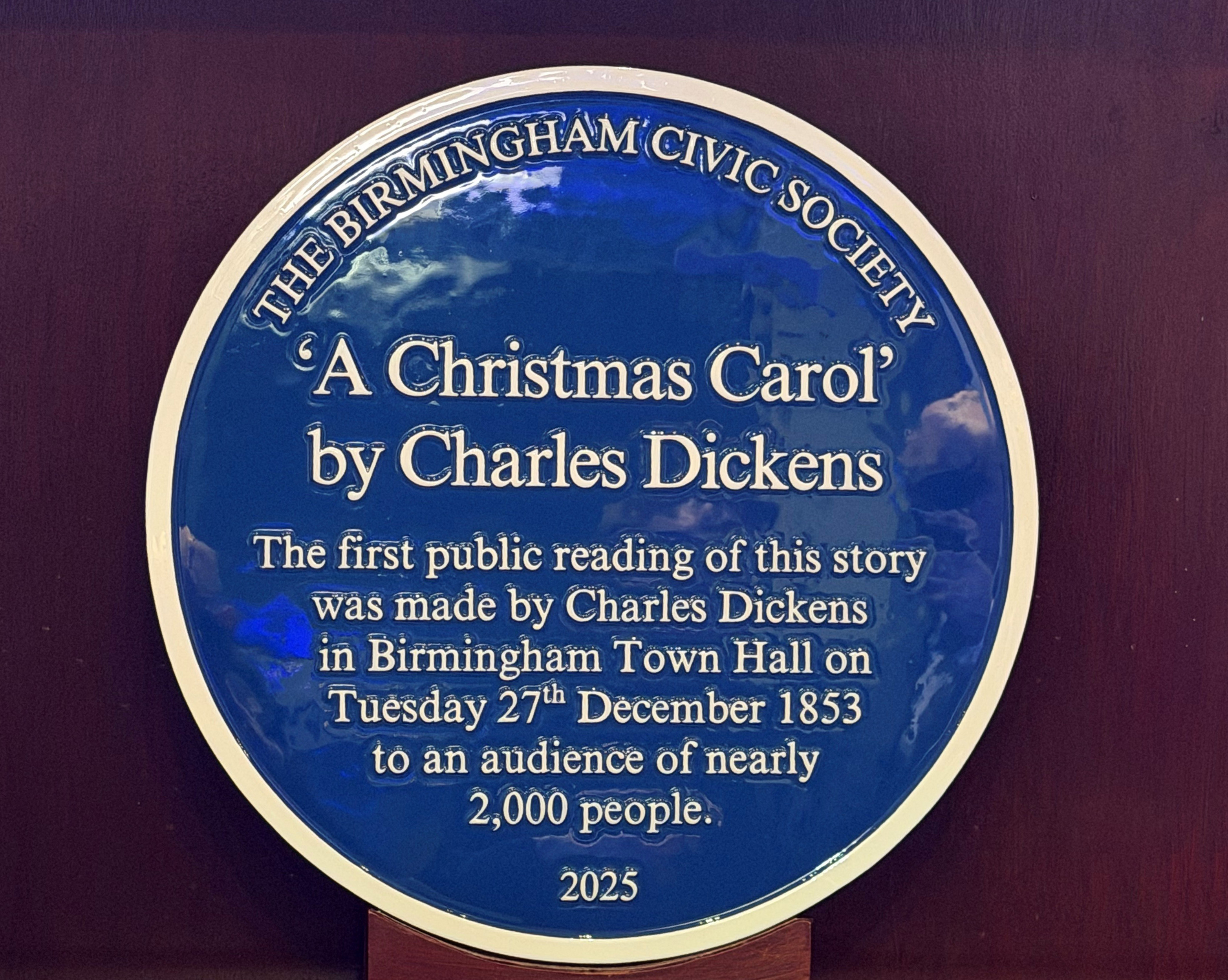
To mark that first reading Lesser, along with the Lord Mayor of Birmingham, Councillor Zafar Iqbal, unveiled a blue plaque awarded by Birmingham Civic Society which will be installed within the building. Dickens shortened and adapted his story, taking out the bits that might be interesting to readers but perhaps tedious to those listening them read out loud and there is one of Dickens own copies with cuts and annotations in the margins that he used on a reading tour in America in the New York Public Library Lesser used all his experience as an actor (RSC, Wolf Hall Endeavour, Game of Thrones, The Crown) to bring the novella to life. He became Marley, Scrooge, Bob Cratchit and his wife, Tiny Tim, and nephew, Fred, the entire population of the book, as well as the three spirits of Christmas. Even those who knew the novella reasonably well found Lesser's interpretation put a new or different emphasis on familiar passages, On a stage decorated with more than 150 candles Lesser was accompanied by the brilliant Orchestra of the Swan, under its leader David Le Page, a string sextet along with harp and percussion playing winter and Christmas themed music from Vivaldi's Winter to Holst's haunting music for In the Bleak Midwinter. The reading from Moseley born and raised Anton Lesser was a more than fitting tribute to the historic first in 1853 marked by its new blue plaque. Every word clear as a bell, carrying atmosphere and emotion and the classic storytelling of Dickens' three spirits of Christmas creating a magical evening relying on one man's words from long ago and another breathing life into them with musical asides The plaque, meanwhile, forms part of the wider Amplify Town Hall project, a refurbishment and archive initiative led by B:Music, with the support of £123,651 from The National Lottery Heritage Fund. Over recent months, the project has captured and celebrated the extraordinary history of Birmingham’s oldest events venue.
The Town Hall was completed in 1834, and unlike later competition for biggest and best town hall particularly between the cotton and woollen towns of the north, Birmingham Town Hall was never intended to be the municipal building, the council head office, it was built purely as a concert hall, ostensibly to house the city's Triennial Music festival which raised funds for The General Hospital The cost was £25,000, about £3m today and one of the architects was Joseph Hansom who was to find fame later for the Hansom Cab Through the project, B:Music and Birmingham Music Archive, with the help of volunteers, have compiled a new archive of over 1,500 items of memorabilia spanning Town Hall’s 191-year history. Highlights including concert programmes and tickets from landmark performances, including Black Sabbath in April 1970 and The Beatles in1963; historical posters, including one showing Dickens performing and stage-managing a play two years before A Christmas Carol, and photographs of notable performances in the 1970s. The project has actively involved the community, recruiting 29 volunteers who have been trained in archive techniques such as oral history capture and digitisation, and hosting five archive drop-in events. The new permanent archive installation throughout the lower floor and backstage of the venue, unveiled alongside the blue plaque, includes a timeline documenting nearly two centuries of Town Hall history. A new digital archive, designed in collaboration with Birmingham Open Media, is planned for launch tomorrow, Friday 19 December, making Town Hall’s heritage accessible worldwide for the first time.
|
|
|
|